
Managing human resources manually can be time-consuming, error-prone, and stressful. As organizations grow, handling employee records, payroll, attendance, and compliance becomes increasingly complex.
That’s where HRMS (Human Resource Management System) software revolutionizes the HR process. A powerful HRMS platform automates repetitive tasks, enhances decision-making, and creates a seamless experience for HR teams and employees alike. At Nynedge, our HRMS solution is designed to simplify workforce management while saving time, cost, and effort.
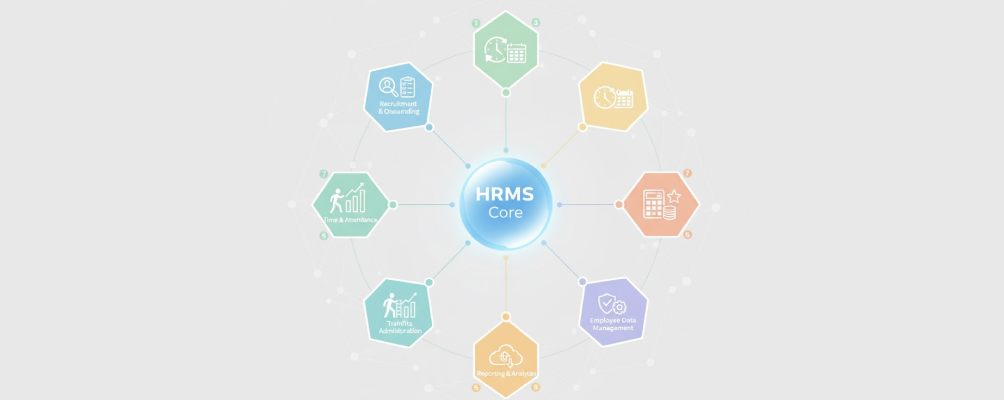
All employee information—from personal details to performance history—is securely stored in a single digital system. No more juggling multiple spreadsheets or paper files. HR teams can instantly access, update, and analyze records in real time.
HRMS automates salary calculations, tax deductions, and payslip generation, ensuring accuracy and timeliness. This minimizes payroll errors and boosts employee trust and satisfaction.
Track employee attendance, leave requests, and shift schedules effortlessly. Automated notifications and approvals save HR managers countless hours while maintaining transparency and compliance.
From posting jobs to onboarding new hires, HRMS simplifies recruitment by managing resumes, interviews, and offer letters in one platform. AI-based screening can even help shortlist the right candidates faster.
HRMS helps monitor employee performance through real-time analytics and KPI tracking. Managers can set goals, provide feedback, and automate appraisals—creating a culture of continuous improvement.
Stay compliant with labor laws and company policies effortlessly. HRMS software automatically tracks regulations, sends reminders for renewals, and maintains audit-ready reports to avoid legal risks.
Empower employees to manage their profiles, check payslips, apply for leave, and update documents independently. This reduces the HR team’s workload and enhances employee engagement.
HRMS tools provide valuable insights into workforce trends, performance metrics, and attrition rates. HR leaders can use these analytics to make data-driven decisions that improve productivity.
Modern HRMS solutions like Nynedge HRMS offer cloud-based access, allowing HR professionals and employees to work from anywhere, ensuring uninterrupted operations and flexibility.
Integrate HRMS with accounting, CRM, and project management systems for smooth data flow across departments. This enhances coordination and eliminates duplicate work.
1. Automation of HR Functions: Routine tasks like payroll, attendance, and reporting are fully automated, saving time and minimizing human error.
2. Employee Empowerment: Self-service features promote transparency and encourage employees to take control of their HR activities.
3. Scalability: Whether you’re a startup or an enterprise, HRMS software grows with your organization’s needs.
4. Cost Savings: By automating manual processes, businesses reduce operational costs and eliminate the need for paper-based workflows.
While HRMS systems are game-changing, it’s essential to consider some challenges:
1. Initial Setup Cost: Implementing a new system may require upfront investment, but long-term benefits outweigh this cost.
2. Learning Curve: Employees may need time to adapt to the new software. However, with intuitive design like Nynedge HRMS, training becomes effortless.
3. Data Migration Issues: Shifting legacy data to a new HRMS platform needs careful planning to ensure accuracy and completeness.


 +1 949 899 7760
 +49 1525 4941805
 +91 98314 11946