
Interior design is evolving rapidly, and Artificial Intelligence (AI) is at the forefront of this transformation. The integration of AI into the design process is not just about automation; it's about enhancing creativity, precision, and personalization.
By combining technology with artistic intuition, AI is shaping a future where stunning interiors can be designed faster, smarter, and more efficiently than ever before.
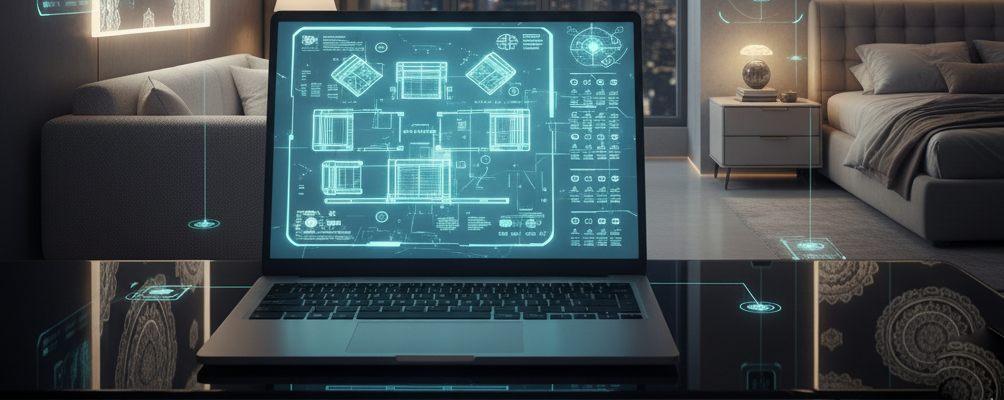
AI algorithms can optimize room layouts, suggesting the best placement for furniture, lighting, and décor to enhance both function and aesthetics. Designers can experiment with multiple layouts instantly, saving time while maintaining creative control.
AI analyzes user preferences, trends, and historical data to provide evidence-based design recommendations. This helps designers create interiors that are both visually appealing and tailored to the client’s lifestyle.
AI-powered 3D rendering and Augmented Reality (AR) tools allow clients to virtually walk through a space before implementation. This ensures alignment between designer vision and client expectations, reducing costly revisions.
AI can recommend materials, fabrics, and colors based on user style, budget, and environmental factors. Designers can explore countless combinations, enhancing creativity while ensuring cohesive interiors.
Routine tasks like generating mood boards, producing layouts, and estimating costs can be automated using AI. This frees designers to focus on creativity, innovation, and client interactions.
AI can identify emerging design trends by analyzing large datasets of interiors worldwide. Designers can proactively incorporate trending styles, ensuring their projects are contemporary and forward-thinking.
AI tools can track project expenses in real-time, alerting designers to budget overruns and suggesting cost-effective alternatives. This ensures financially sustainable design without compromising quality.
AI platforms facilitate smoother collaboration between designers and clients. Through interactive design simulations, clients can provide feedback in real-time, ensuring their vision aligns with the designer’s expertise.
AI can analyze environmental impact and recommend sustainable materials and energy-efficient layouts. This ensures designs are not only beautiful but also environmentally responsible.
By automating mundane tasks and providing data-driven insights, AI enables designers to explore more creative possibilities. This fusion of technology and artistry defines the future of interior design.


 +1 949 899 7760
 +49 1525 4941805
 +91 98314 11946