
In today’s fast-paced business world, ensuring HR compliance and protecting sensitive employee data is a critical challenge for organizations of all sizes. Non-compliance with labor laws and data breaches can lead to legal penalties, financial losses, and damage to company reputation. HRMS (Human Resource Management System) software provides a robust solution to manage compliance efficiently while securing sensitive HR information.
At Nynedge, our HRMS platform is designed to simplify compliance management and safeguard employee data, enabling HR teams to focus on strategic initiatives rather than manual administrative tasks.
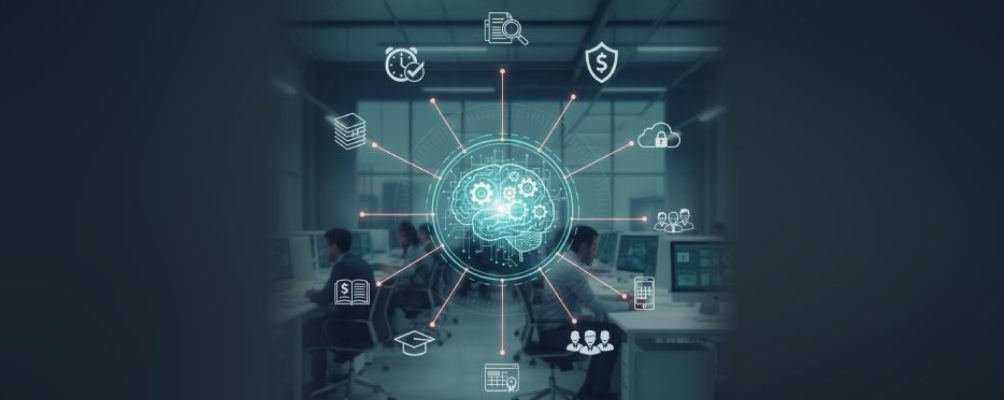
HRMS software ensures that your organization adheres to local and national labor laws. By automating tasks such as payroll calculations, leave management, overtime tracking, and statutory reporting, HRMS minimizes the risk of non-compliance.
The system automatically updates when labor regulations change, reducing the burden on HR teams and ensuring all policies align with legal requirements.
Accurate record keeping is crucial for audits and compliance checks. HRMS software centralizes employee data in a secure digital repository, including contracts, performance evaluations, leave records, and training certifications.
Digital records reduce human errors and allow HR managers to generate reports quickly during audits or inspections, ensuring transparency and accountability.
HRMS platforms store sensitive employee information in encrypted databases, preventing unauthorized access. From personal details to payroll information, the data is protected using multi-layered security protocols.
At Nynedge HRMS, advanced encryption standards and access control mechanisms ensure that only authorized personnel can access confidential HR information.
Not every HR staff member needs access to all employee information. HRMS software allows role-based permissions, restricting access to sensitive data based on job responsibilities.
This reduces the risk of internal data breaches and ensures accountability by tracking who accessed or modified specific records.
HRMS systems automatically maintain audit trails, recording every action performed in the system. This feature is essential for regulatory compliance, as it provides evidence of due diligence.
Compliance reporting modules generate detailed reports on payroll, leave, attendance, and statutory obligations, making it easier for HR managers to demonstrate adherence to legal requirements.
HRMS software can send automated reminders for key compliance tasks such as contract renewals, license expirations, tax filings, or training requirements.
Timely alerts reduce the likelihood of missing critical deadlines and ensure that your organization remains fully compliant with HR regulations.
Data loss can be catastrophic for HR departments. Cloud-based HRMS platforms offer automated data backups and disaster recovery options, protecting sensitive employee information from accidental deletion, cyberattacks, or system failures.
With reliable backup systems, organizations can quickly restore operations without compromising compliance or data integrity.
Manual HR processes are prone to mistakes that can result in non-compliance or data breaches. HRMS software automates routine tasks such as payroll calculation, leave management, and record updates, significantly reducing errors.
Automation ensures consistent compliance with HR policies and regulatory standards, giving HR teams confidence in their data accuracy.
Modern HRMS systems provide integrated learning modules to educate employees about company policies, labor laws, and data security practices.
By promoting awareness and training, HRMS ensures that employees understand their responsibilities, reducing risks related to accidental non-compliance or data mishandling.
HRMS allows organizations to maintain centralized policies accessible to all employees. This ensures that everyone is informed about HR procedures, compliance standards, and security protocols.
Centralized policy management reduces confusion and promotes a culture of compliance and responsibility.
1. Scalability: Cloud HRMS solutions can accommodate growing employee data without compromising security.
2. Centralized Data: All employee information is stored in a single secure system, simplifying management and protection.
3. Regulatory Updates: HRMS automatically adapts to changing labor laws, ensuring ongoing compliance.
4. Disaster Recovery: Automatic backups safeguard data against loss, ensuring business continuity.
While HRMS software provides robust compliance and security features, some challenges exist:
1. Initial Setup Cost: Implementing HRMS requires investment, but long-term ROI outweighs initial expenses.
2. Employee Training: Staff need training to adapt to new systems, which can temporarily slow down processes.
3. Data Migration: Moving legacy HR data to a new HRMS system must be handled carefully to maintain integrity and compliance.


 +1 949 899 7760
 +49 1525 4941805
 +91 98314 11946