
Managing the employee lifecycle can be complex, from hiring top talent to ensuring engagement, training, performance management, and finally, retirement. Companies that try to manage this manually often struggle with inefficiencies, errors, and low employee satisfaction. This is where HRMS (Human Resource Management System) comes in — streamlining every stage of the employee journey.
At Nynedge, our HRMS platform ensures a seamless experience for both HR teams and employees, covering recruitment, onboarding, performance, payroll, and retirement, all in one integrated system.
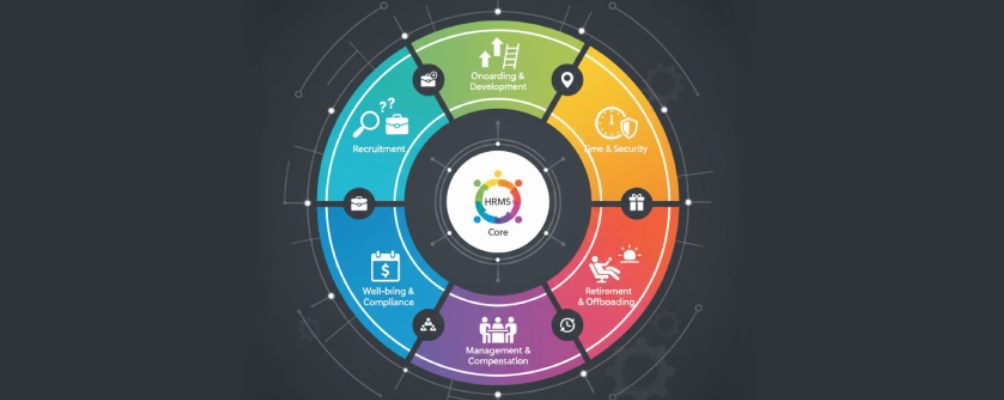
HRMS software helps streamline recruitment by automating job postings, resume screening, and candidate tracking. AI-powered algorithms can match candidates to roles based on skills, experience, and cultural fit.
This results in faster hiring, reduced manual effort, and a higher quality of candidates, ensuring organizations attract the best talent available.
From document submission to orientation schedules, HRMS systems simplify onboarding. New employees can access training materials, company policies, and workflow instructions directly through the platform.
This ensures a smooth transition, reduces paperwork, and improves employee engagement from day one.
HRMS platforms centralize all employee records, including personal details, performance history, attendance, leave, and payroll. This eliminates silos, reduces errors, and enables HR to quickly access information when needed.
Accurate, up-to-date records ensure better decision-making and regulatory compliance.
Tracking employee performance manually is time-consuming and often inconsistent. HRMS software allows managers to set goals, conduct appraisals, provide feedback, and monitor KPIs in real-time.
This fosters transparency, motivates employees, and aligns individual objectives with company strategy.
Continuous learning is crucial for employee growth. HRMS systems integrate training modules, e-learning platforms, and skill assessments, allowing employees to upskill efficiently.
Automated reminders and progress tracking ensure everyone stays aligned with personal and organizational development goals.
Payroll errors can be costly and frustrating. HRMS platforms automate salary calculations, tax deductions, bonus distribution, and benefits management.
This not only ensures accuracy but also allows HR to generate detailed payroll reports for better financial planning.
Employees can access HRMS portals to apply for leave, view payslips, update personal data, and track performance.
Self-service functionality empowers employees, reduces administrative workload, and improves overall satisfaction.
HRMS systems automate attendance management with biometric or digital check-ins and handle leave requests efficiently.
This reduces human errors, ensures compliance, and provides HR with accurate workforce analytics.
HRMS platforms help identify high-potential employees and plan succession strategies for key roles.
This ensures business continuity and helps employees envision clear career paths, improving retention and motivation.
Managing retirements and employee exits can be challenging. HRMS software automates retirement benefits, exit interviews, and knowledge transfer processes.
This ensures a smooth transition, proper documentation, and preserves organizational knowledge.
1. Scalability: HRMS systems grow with your organization, supporting more employees and workflows.
2. Time Savings: Automation of repetitive tasks frees HR teams to focus on strategic initiatives.
3. Improved Accuracy: Reduced human errors in payroll, leave tracking, and performance data.
4. Enhanced Employee Experience: Self-service portals and easy access to information empower employees.
1. Initial Investment: Implementing an HRMS system requires upfront costs.
2. Learning Curve: Employees and HR staff need training to adapt to the system.
3. Data Migration: Transferring legacy data requires careful planning to avoid discrepancies.


 +1 949 899 7760
 +49 1525 4941805
 +91 98314 11946