
The interior design industry is evolving rapidly, and Artificial Intelligence (AI) is at the forefront of this transformation. Designers today are tasked with creating aesthetically stunning spaces while managing tight deadlines, client expectations, and complex project logistics. AI is enabling designers to work faster, smarter, and more efficiently, offering tools that enhance creativity, streamline workflows, and improve decision-making throughout every stage of a project.
From concept creation to project execution, AI is revolutionizing how interior designers plan, visualize, and deliver spaces that are both functional and personalized.
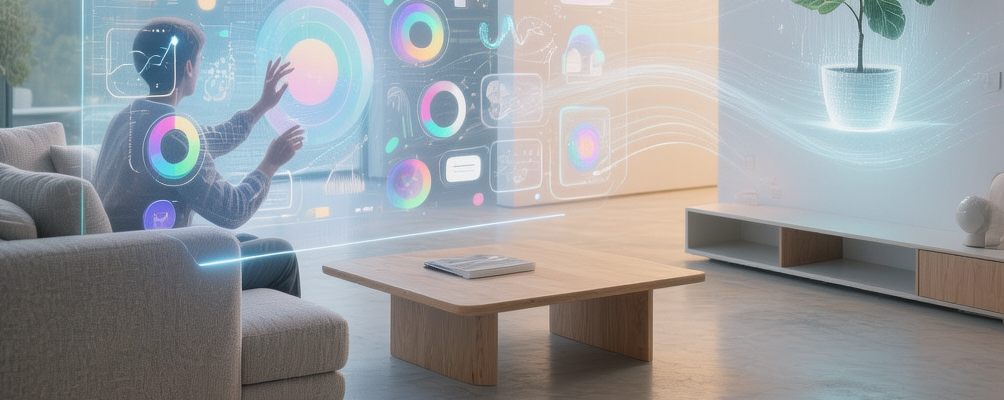
Traditionally, generating multiple design concepts can be a time-consuming process. AI-powered tools can now generate numerous layout and design options within minutes. By analyzing client preferences, room dimensions, and current design trends, AI can propose unique combinations that a designer might not have considered.
This acceleration allows designers to focus on refining and personalizing concepts rather than starting from scratch, leading to more creative and efficient workflows.
One of the key challenges in interior design is maximizing space utility without compromising aesthetics. AI tools analyze factors such as furniture size, traffic flow, natural lighting, and ergonomics to create optimized layouts.
Designers can evaluate multiple scenarios in real time, ensuring each space is practical, visually appealing, and tailored to the client’s lifestyle. AI reduces errors, minimizes costly adjustments, and ensures every square foot is utilized efficiently.
Client satisfaction is critical, and AI facilitates a more interactive and transparent design process. With AI-powered 3D renderings, virtual reality, and augmented reality simulations, clients can experience their spaces before implementation.
They can provide feedback instantly, experiment with furniture placements, and explore color palettes. This interactive approach fosters collaboration, reduces misunderstandings, and ensures the final design aligns perfectly with client expectations.
Choosing materials and color schemes can be overwhelming given the plethora of options available. AI analyzes client preferences, lighting conditions, and durability requirements to recommend the most suitable choices.
This reduces guesswork, ensures cohesive designs, and allows designers to confidently select finishes that enhance both aesthetics and functionality.
Managing timelines, budgets, and procurement can be complex. AI-driven project management tools help automate scheduling, track tasks, manage purchases, and alert designers to potential delays.
By streamlining administrative tasks, designers can dedicate more time to creative aspects and client engagement, making the entire design process faster and more organized.
AI can provide predictive analytics that help designers make informed decisions. By analyzing past projects, client feedback, and design trends, AI can anticipate potential issues, recommend efficient solutions, and optimize budgets.
This foresight allows designers to mitigate risks, reduce costly errors, and deliver projects that are on time, on budget, and aligned with client expectations.
AI is not a replacement for designers; rather, it is a collaborative partner. By handling repetitive tasks, generating ideas, and providing insights, AI frees designers to focus on innovation and artistic vision.
This collaboration results in more dynamic, imaginative, and personalized interior spaces that reflect both client preferences and the designer’s creativity.


 +1 949 899 7760
 +49 1525 4941805
 +91 98314 11946