
Managing human resources effectively is critical for any organization, but HR departments often face complex challenges ranging from payroll errors to compliance issues. Manual processes, scattered data, and repetitive tasks can lead to inefficiencies, frustration, and lost productivity.
Fortunately, modern HRMS (Human Resource Management System) solutions are designed to address these challenges head-on. By automating routine tasks, centralizing data, and providing actionable insights, HRMS platforms like Nynedge HRMS empower HR professionals to focus on strategic initiatives, talent development, and employee engagement.
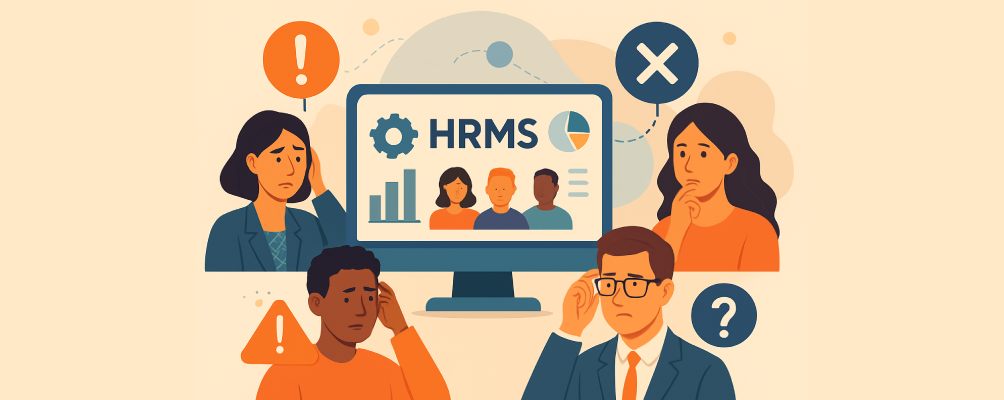
One of the most common HR headaches is payroll management. Mistakes in calculating salaries, taxes, or overtime can lead to employee dissatisfaction and compliance risks. Manual payroll processing is prone to human error and consumes significant time.
HRMS solutions automate payroll calculations, tax deductions, and salary disbursements. They provide accurate, error-free payroll every month, with automatic updates for changing tax rules. Employees can also access their pay slips, tax forms, and other payroll documents through a self-service portal, reducing queries and improving transparency.
Recruiting the right talent is vital for organizational growth, but traditional hiring processes are often slow and inefficient. Screening resumes, scheduling interviews, and tracking candidates manually takes weeks or even months.
Modern HRMS platforms streamline recruitment by automating job postings, resume filtering, interview scheduling, and candidate communication. Once hired, the onboarding process becomes seamless, with digital document submission, orientation scheduling, and training modules. This ensures new employees are productive faster and reduces the administrative burden on HR staff.
Keeping up with labor laws, tax regulations, and industry compliance requirements is a persistent challenge for HR departments. Non-compliance can lead to legal penalties and reputational damage.
HRMS systems automatically track changes in employment laws, tax rules, and compliance regulations. They maintain secure records, generate compliance reports, and provide alerts for critical deadlines. By centralizing all employee data, HR teams can ensure legal adherence and reduce the risk of errors or audits.
High employee turnover and disengagement are costly challenges for businesses. Traditional HR practices often fail to capture real-time employee feedback, performance metrics, or career aspirations.
HRMS solutions offer tools for employee engagement surveys, performance appraisals, and feedback mechanisms. They allow managers to monitor productivity, set goals, and provide timely recognition. By fostering transparent communication and career development opportunities, HRMS platforms improve job satisfaction, motivation, and retention rates.
Disconnected systems and spreadsheets make it difficult to access, analyze, and manage HR data. This slows down decision-making and limits insights into workforce performance, attendance, and resource allocation.
Modern HRMS solutions centralize all employee information in a single platform. Attendance, leave records, performance metrics, and skill inventories are easily accessible in real-time. HR managers can generate comprehensive reports, identify trends, and make strategic decisions faster, improving overall efficiency and productivity.
1. Scalability: As organizations grow, HRMS systems scale effortlessly to accommodate new employees, departments, and processes.
2. Customization: HRMS platforms allow customization of workflows, dashboards, and reports to fit company-specific HR policies.
3. Integration: Modern HRMS solutions integrate with payroll, accounting, and performance management tools for seamless operations.
4. Automation: Smart automation handles repetitive tasks like attendance tracking, payroll, and reminders, boosting efficiency and reducing errors.
While HRMS software offers immense benefits, organizations should be aware of certain considerations:
1. Initial Investment: Implementing an HRMS requires upfront costs, but the long-term ROI from efficiency and accuracy is significant.
2. Learning Curve: Employees may need training to navigate the system, though intuitive interfaces like Nynedge HRMS simplify adoption.
3. Data Migration: Transitioning from legacy systems requires careful planning to maintain data integrity.


 +1 949 899 7760
 +49 1525 4941805
 +91 98314 11946